
The Power of Change: Who Grows the Fruit?
Wisdom Scripture
Deuteronomy 34:9 (NIV)
Now Joshua son of Nun was filled with the spirit of wisdom because Moses had laid his hands on him. So the Israelites listened to him and did what the Lord had commanded Moses.
Wisdom Quote
Throughout Scripture, many narratives reflect themes found in biblical wisdom literature:
Genesis 2–3 – the account of sin in creation
Genesis 37–46 – the story of Joseph
Deuteronomy 1–4 – the book’s general introduction
Deuteronomy 32 – the Song of Moses
2 Samuel 9–20 – the Succession Narrative of David
1 Kings 3–11 – the model story of Solomon
Amos – often viewed as a prophet shaped by wisdom traditions
—Boadt, Eerdmans Dictionary of the Bible
Insights: Who Grows the Fruit?
God calls you to develop what Scripture describes as the fruit of the Spirit—nine traits that collectively reflect the character of Jesus. You may have chosen one of these traits as your focus for the year:
“But the fruit of the Spirit is love, joy, peace, forbearance, kindness, goodness, faithfulness, gentleness and self-control.”
—Galatians 5:22–23
If these traits are the Spirit’s fruit, it seems the Spirit produces them. Yet the final trait is self-control, which sounds entirely like your responsibility. So who grows the fruit—you or the Spirit?
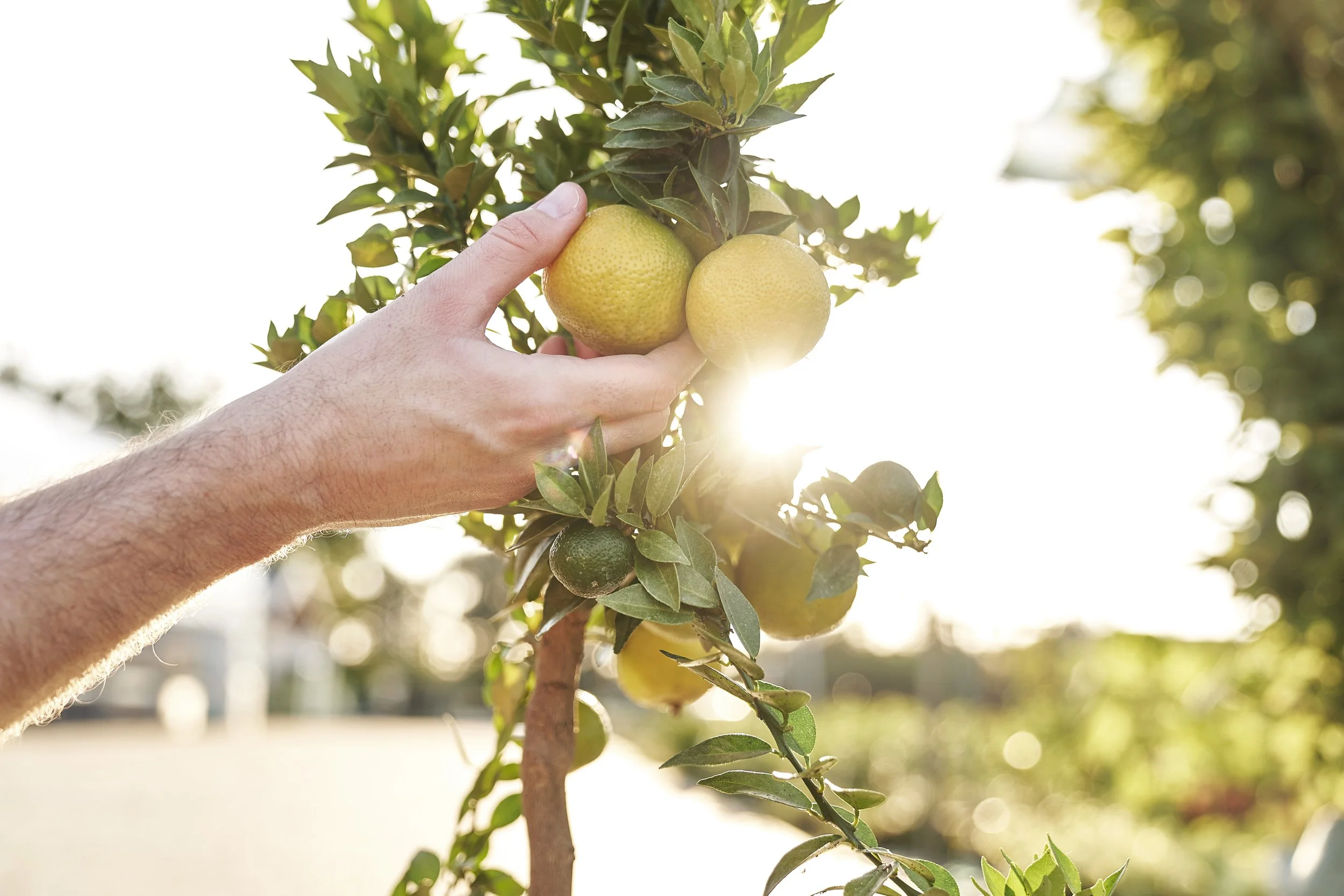
Fruit imagery helps us see the answer. Fruit represents God-enabled growth. I have two peach trees in my backyard. I can water them, fertilize them, spray for bugs, and protect them from birds—but I cannot make peaches appear. I can cultivate, but I cannot create fruit.
Character formation works the same way. We work diligently to cultivate, but only God can produce life and transformation. You can’t squeeze a vine and force it to spit out a tomato. Likewise, you cannot force spiritual fruit. Only the Spirit can shape you into Christ’s likeness—but He will not do it without your willing participation. The power is His; the responsibility is yours.
You prepare the soil. You pull the weeds. You choose what you sow.
Later in Galatians, Paul expands the metaphor of sowing and reaping:
“Whoever sows to please their flesh, from the flesh will reap destruction; whoever sows to please the Spirit, from the Spirit will reap eternal life.”
—Galatians 6:8
So what does sowing look like in your daily life?
It begins with your mind.
Where you allow your thoughts to linger determines what grows.
What you watch, what you listen to, and what you entertain in your heart—all of it is sowing.
The Spirit longs to transform you into the likeness of Christ. Your role is to cultivate a life that welcomes His work.
Footnote
[1] Boadt, Lawrence. “Wisdom, Wisdom Literature.” In Eerdmans Dictionary of the Bible, 2000, p. 1380. Print.
