
The Power of Change: Ancient Athletic Competitions were Intense
Wisdom amazes, but it also requires discipline—far more than we often expect.
Wisdom Scripture
Matthew 13:54 (NIV)
Coming to his hometown, he began teaching the people in their synagogue, and they were amazed. “Where did this man get this wisdom and these miraculous powers?” they asked.
Wisdom Quote
We might note here a contrast to the imagery that is characteristically associated with folly in the wisdom literature of the Bible, which pictures folly in terms of its destructive end or destiny. Folly causes a person to be lost (Prov. 5:23), to end in death (Prov. 14:12; 16:25), to go like an ox to its slaughter (Prov. 7:22), to end up as a guest in the depths of Sheol (Prov. 9:18), to be caught in a trap (Eccles. 7:26), to end up with a thorn-infested field (Prov. 24:31), or a leaking roof (Eccles. 10:18). These melancholy pictures of a self-destructive end stand as a foil to the robustly positive rewards of wisdom.[1]
Insights: Ancient Athletic Competitions were Intense
Whether as an individual or on a team, have you ever competed in a physical contest?
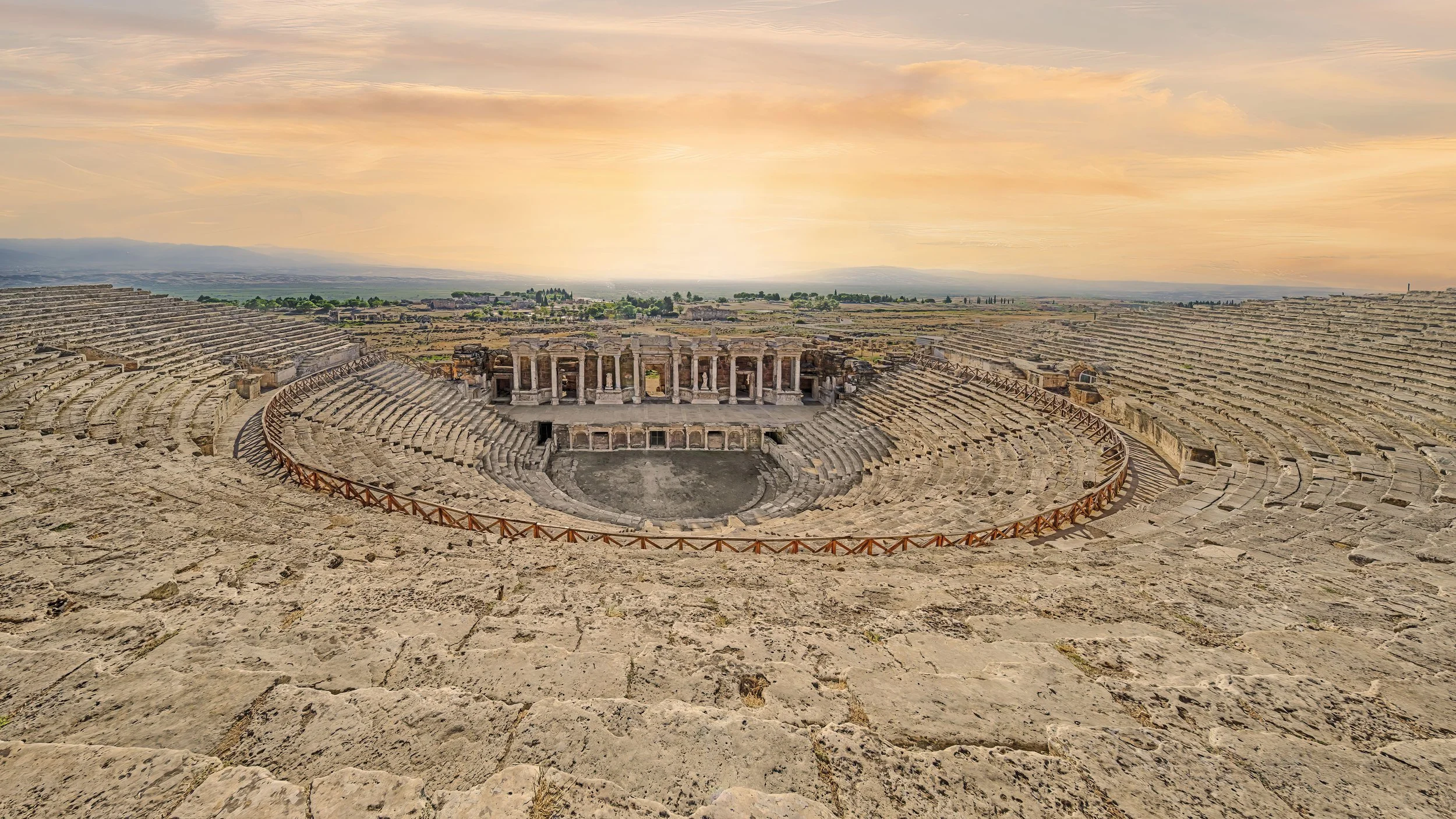
During Roman times, the Corinthians hosted the biennial Isthmian Games, second in popularity only to the Olympics, drawing massive crowds to Corinth. Paul was likely present during one of these competitions in the spring of AD 49 or 51. Much like modern sports coverage, people followed not only the events themselves but also the behind-the-scenes stories of the athletes—their rigorous training regimens, intense workouts, and strict diets.
Paul draws on this imagery to make a pointed spiritual application: you must rigorously discipline yourself spiritually if you want to get in the game, play on the team, and win. The cost of spiritual blessing is spiritual discipline.
The central action in Paul’s sports analogy appears in verse 25: “strict training.” The Greek verb refers to self-control.
An athlete abstains from hot-fudge sundaes for the sake of a greater prize. The best athletes display remarkable self-restraint to get in shape. They cut out everything that does not help them reach their goal. When you think about classic sports movies—stories where someone does whatever it takes to win—which iconic films come to mind? Rocky and Rudy come to mind for me, because they depict men who seemed to have no chance, yet worked incredibly hard.
How might you discipline yourself spiritually in order to win the prize? What might you abstain from? We are not talking merely about avoiding immoral behavior. Rather, for the sake of being in spiritual shape for the gospel race, what could you intentionally remove from your life in order to train more rigorously?
To sharpen the point, Paul contrasts the prizes involved. An athlete wins a trophy—at that time, a floral wreath that quickly faded. All that rigorous discipline for a temporary, fragile crown. And yet we run for an eternal crown, one that will never fade.
